 NexSHOPX-官方新闻
How to Choose Facebook Aged Accounts: A Role-Based Guide to Regular Aged Accounts, Second-Appeal Unbanned Accounts, and BM Business Manager Accounts
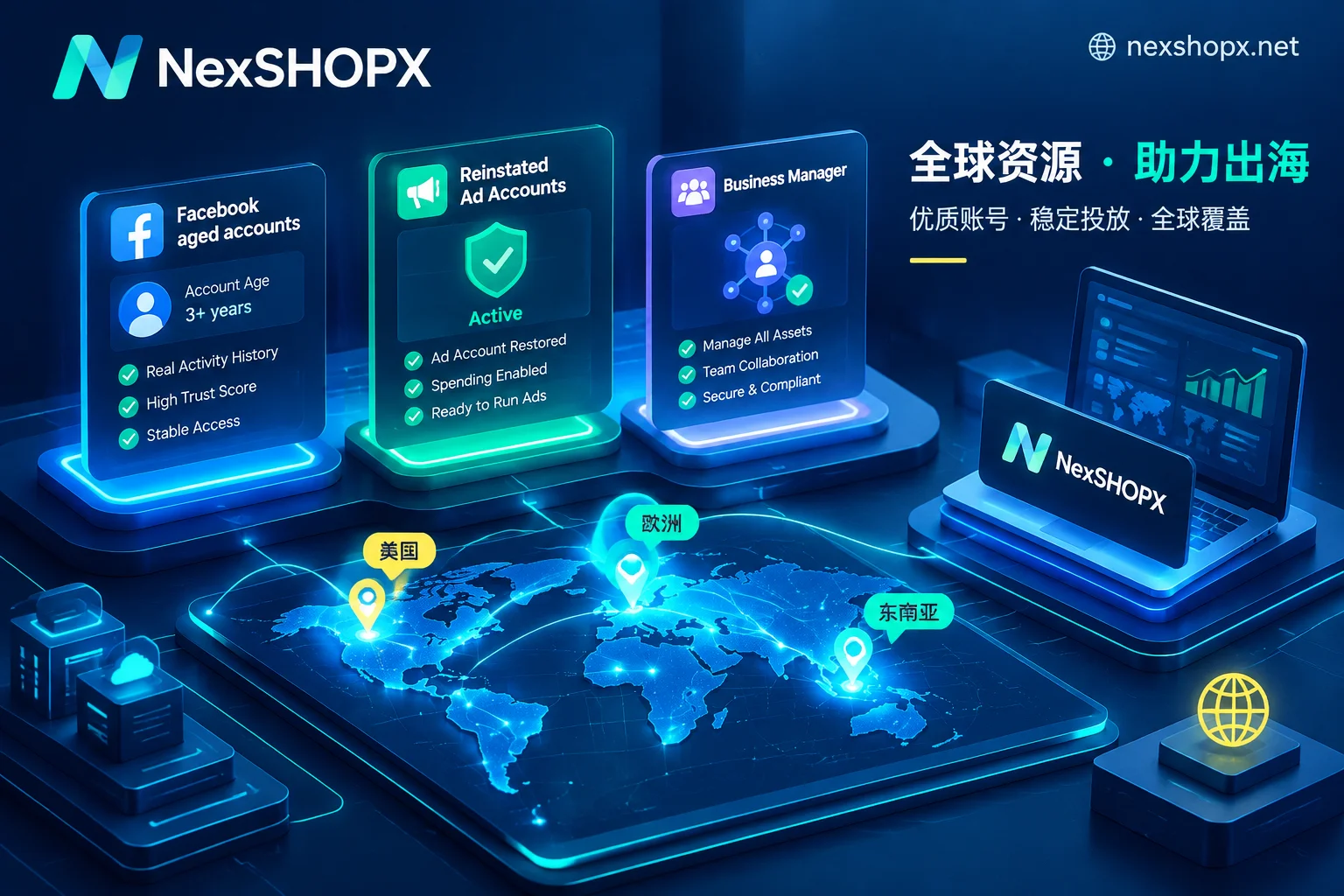
Addressing the common asset-linkage and restriction pain points in Meta ad buying and cross-border social media operations, this guide breaks down the functional differences between regular aged accounts, second-appeal unbanned accounts, BM Business Manager accounts, and page-attached accounts, and offers a practical tiered purchasing plan based on asset accumulation, ad testing, and daily traffic acquisition.
How to Choose a Social Media Account Purchase Platform? A Q4 Peak Season Guide for Overseas Teams on New, Aged, and Unbanned Accounts
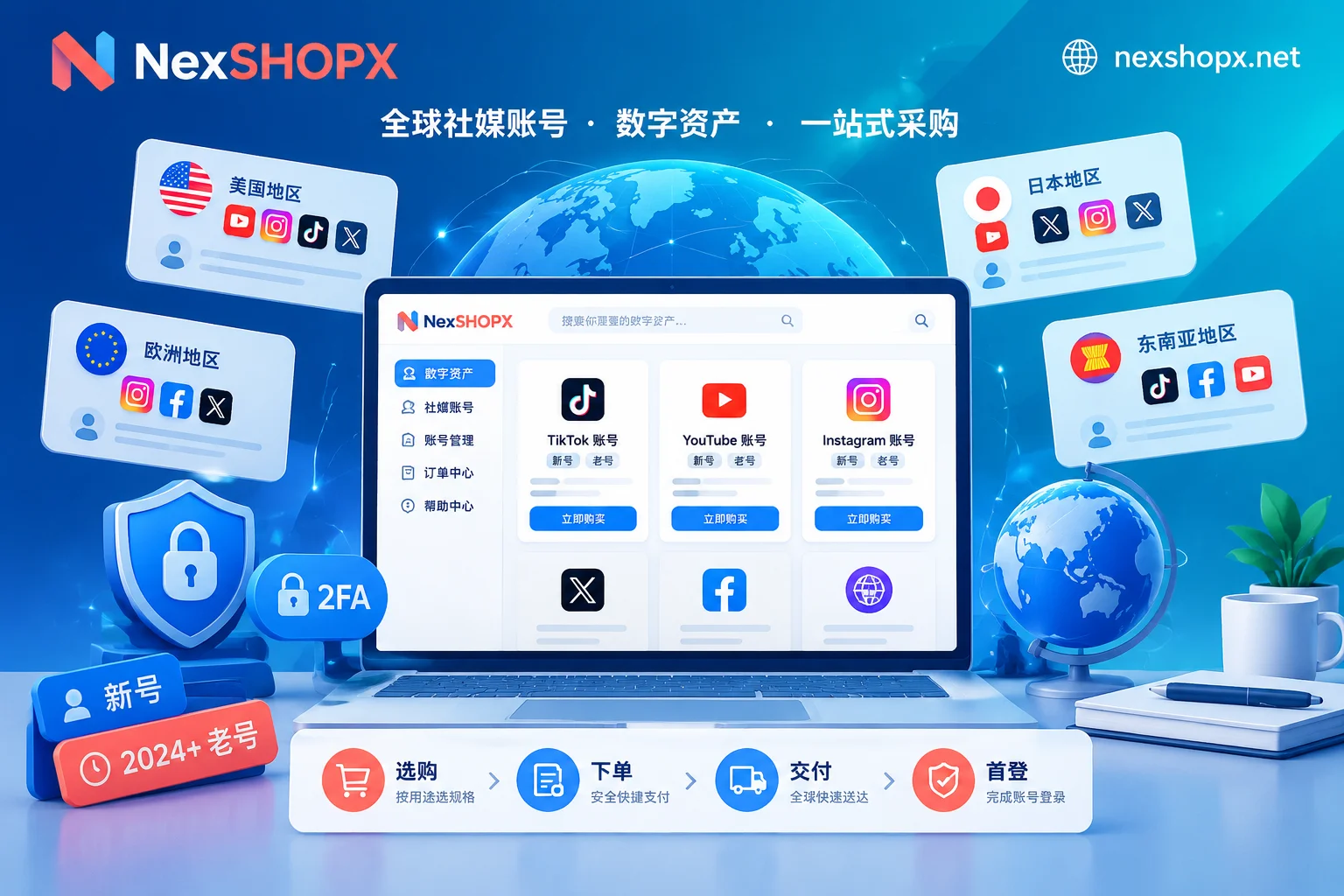
As year-end trade shows and overseas shopping festivals approach, cross-border e-commerce and social media teams face a surge in account needs. This article outlines four core dimensions for selecting a social media account purchase platform, analyzes the suitable scenarios for new, aged, and unbanned accounts on mainstream platforms like Facebook, TikTok, X (Twitter), Instagram, and Telegram, and provides standardized delivery acceptance and warranty pitfall avoidance procedures.
What Emails and Platform Accounts Do You Need to Set Up for Cross-Border E-Commerce? Prepare Item by Item with a Four-Layer Checklist
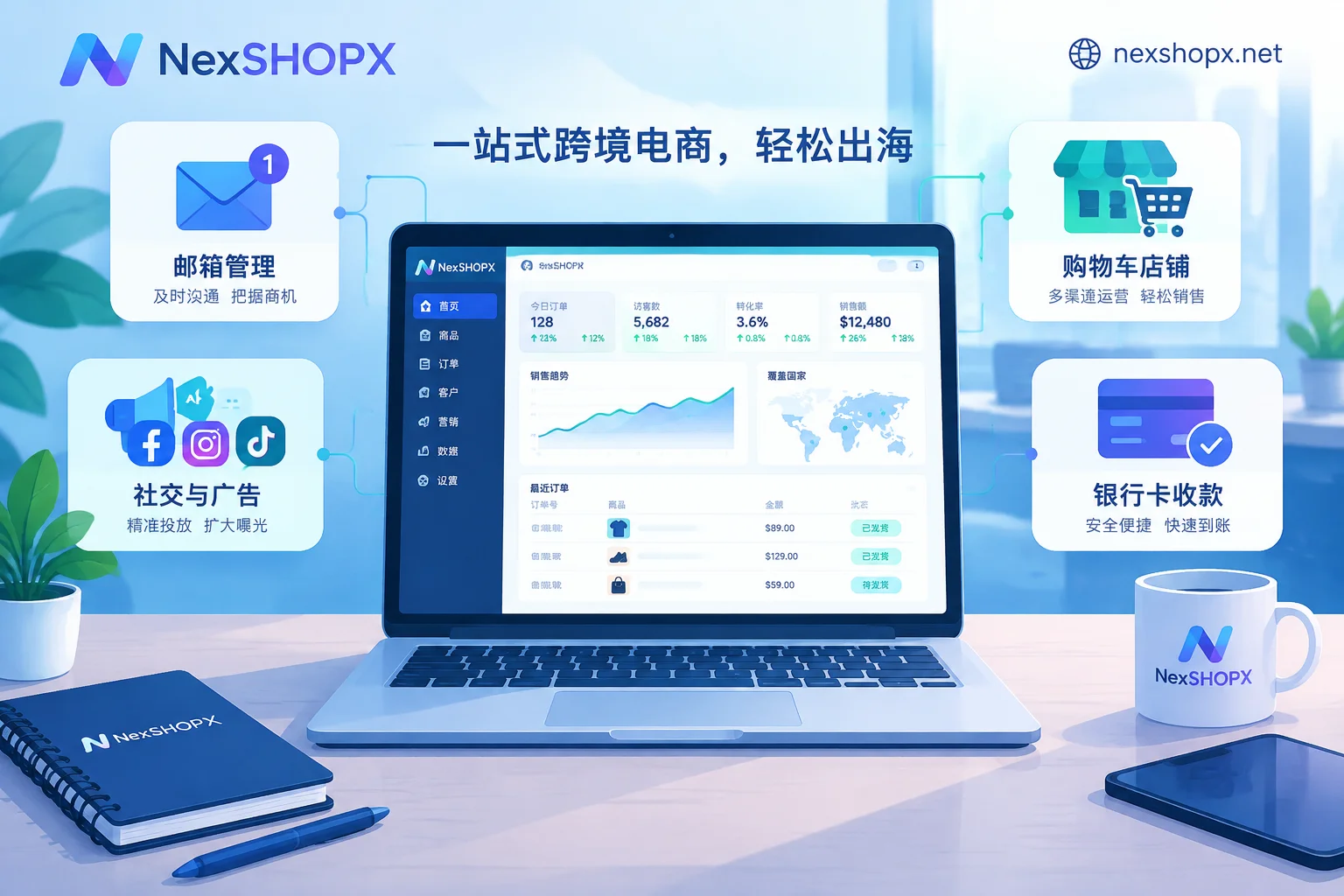
Opening a cross-border e-commerce store typically requires four types of accounts: store operations, customer communication, marketing and traffic generation, and payment settlement. This article explains the purpose and platform requirements of each type, which accounts you should register and fully control yourself, which auxiliary accounts can be purchased, and what to pay attention to regarding acceptance, first login, and warranty after purchase.

Overseas Business Account Preparation: A Complete Guide from Selection and Delivery to First Login
When conducting cross-border e-commerce, social media operations, or ad campaigns, account preparation is not just about registering an account; it involves matching account specifications to business scenarios (new accounts, aged accounts, unbanned accounts, enterprise-verified accounts), verifying delivery credentials (recovery email, 2FA keys, cookies), and completing verification within the first-login time limit according to platform security guidelines to avoid triggering risk controls due to modifying sensitive information from a different location. This article outlines account selection logic for different business scenarios, key points for delivery acceptance, and warranty boundaries.
How to Choose Cross-Border E-Commerce Account Resources? Four Delivery Tiers Compared
Choosing cross-border e-commerce account resources begins not with platform category but with the completeness of sovereignty transfer of verification methods, which can be divided into four tiers: credentials only, credentials plus email, primary/backup dual verification transfer, and real-name store accounts, with different minimum tiers required for different use cases to avoid over- or under-procurement.